
7 Common Fitness Mistakes Women Make (and How to Fix Them)
It's easy to get caught up in the world of fitness and accidentally stumble into a few common pitfalls. Sometimes I find myself in the habit of making the same mistakes without even realising it, which really slows down my progress and can even lead to injury. This article is all about shining a light on 7 Common Fitness Mistakes I have made, so you can steer clear of them and get the most out of your hard work.
Key Takeaways
Always start your workouts with a proper warm-up to get your body ready and prevent injuries.
Listen to your body and don't push too hard; rest days are just as important as workout days to avoid overtraining.
Focus on exercises that work multiple muscle groups, like squats and deadlifts, rather than just cardio or isolation moves.
Don't forget that recovery is key – make sure you're getting enough sleep and using techniques like stretching.
Fuel your body with good food; a balanced diet is crucial for energy and results, so don't neglect it.
1. Not Warming Up Properly
Right, let's talk about warming up. It’s one of those things that’s super easy to skip when you’re eager to get stuck into your workout, especially if you’re short on time. But honestly, it’s a bit like trying to drive a car without letting the engine warm up on a cold morning – you’re just asking for trouble.
Skipping your warm-up is a fast track to injury and can really hinder your performance. Think of it as preparing your body for what’s coming. A good warm-up gets your blood flowing, which means more oxygen gets to your muscles. This makes them more flexible and less likely to get pulled or strained. It also helps to gently increase your heart rate and get your joints moving through their range of motion.
What should you actually be doing? Forget static stretches where you hold a position for ages – save those for after your workout. For a warm-up, you want dynamic movements. These are active movements that take your body through a range of motion.
Here are a few ideas to get you started:
Light Cardio: A brisk walk, a bit of jogging on the spot, or cycling for 5-10 minutes to get your heart pumping.
Dynamic Stretches: Think leg swings (forward and back, side to side), arm circles, torso twists, and walking lunges.
Movement-Specific Prep: If you’re about to lift weights, do a few lighter sets of the exercise you’re planning. For running, maybe some high knees or butt kicks.
It might feel like extra time tacked onto your workout, but a proper warm-up is an investment. It means you can train harder, for longer, and most importantly, without getting hurt. Plus, it just makes the actual workout feel better from the get-go.
Aim for about 5 to 10 minutes. It doesn't need to be complicated, just effective. Your body will thank you for it later, trust me.
2. Overtraining
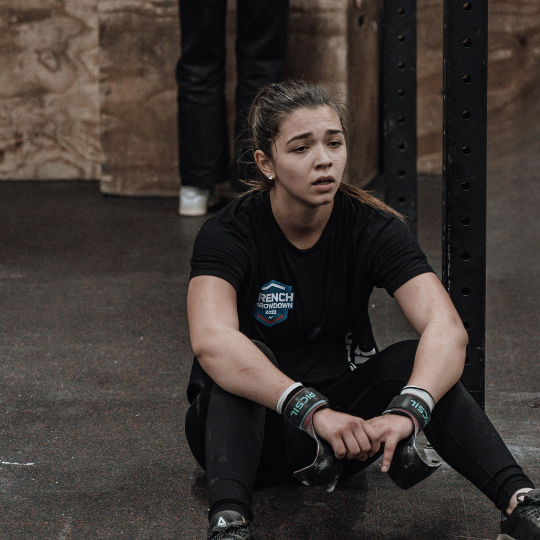
It's easy to get carried away when you start seeing results. You feel good, you're more energetic, and you want to keep that momentum going. But pushing yourself too hard, too often, without enough rest can actually do more harm than good. This is overtraining, and it's a common pitfall, especially when you're really getting into a fitness routine.
Your body needs time to recover and rebuild after exercise. If you don't give it that chance, you'll start to notice some not-so-great signs. You might feel constantly tired, even when you've slept. Your muscles could feel heavy and sore for longer than usual, or you might find your performance actually dips, which is really frustrating when you're trying to improve.
Here are some common indicators that you might be overdoing it:
Persistent fatigue that doesn't improve with rest.
Unusual or prolonged muscle soreness.
A noticeable drop in your performance or strength.
Difficulty sleeping or feeling restless.
Increased irritability or mood swings.
Getting sick more often, as your immune system gets run down.
It's not about stopping exercise altogether, but about finding that sweet spot. Listening to your body is key. If you're feeling wiped out, a lighter workout or a complete rest day is probably what you need. Think of rest not as downtime, but as an active part of your training – it's when your body actually gets stronger.
Pushing your body beyond its limits consistently can lead to burnout, injury, and a general feeling of being run down. It's better to train smart and consistently than to go all out and end up sidelined.
3. Focusing on the Wrong Exercises
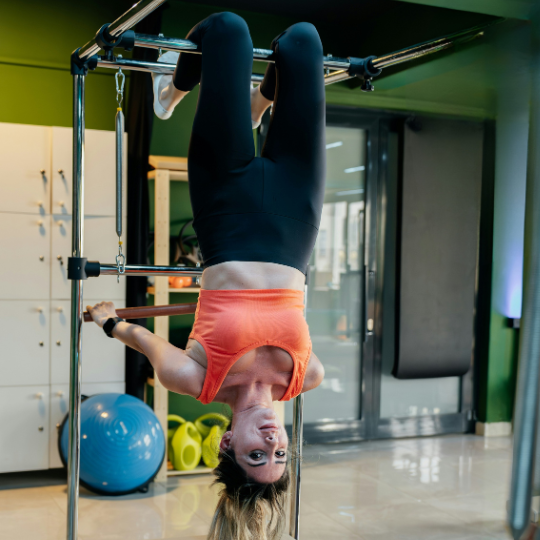
It's easy to fall into the trap of doing exercises that don't really serve your goals, especially when you're trying to avoid workout errors for women. Many women focus too much on endless cardio or those 'toning' classes that promise quick results. While cardio is important, relying on it solely means you're missing out on building strength and muscle, which is key for long-term fitness and a healthy metabolism. You might see the scales drop initially, but often it's just water weight, and you can end up losing muscle mass, which actually slows down how many calories you burn when you're not exercising. This is one of the common gym mistakes women should know about.
Instead of chasing the burn with high reps, try incorporating more compound movements. These are exercises that work multiple muscle groups at once, like squats, deadlifts, lunges, and overhead presses. Lifting heavier weights for fewer reps (think 4-8) is brilliant for building strength and muscle. This approach helps you develop a more sculpted physique and boosts your metabolism. It's about working smarter, not just harder.
Here’s a simple way to think about structuring your strength training:
Focus on Compound Lifts: Prioritise exercises like squats, deadlifts, bench presses, rows, and overhead presses.
Incorporate Isolation Exercises: Add in exercises like bicep curls or triceps extensions to target specific muscles after your main lifts.
Vary Your Rep Ranges: Don't stick to just one. Mix in some heavier sets with lower reps and some lighter sets with higher reps to challenge your muscles in different ways.
A common pitfall for female exercisers is believing that lifting heavy weights will make them bulky. This is largely a myth. Women typically don't have the same hormonal profile as men, making it very difficult to build significant muscle mass without extreme dedication and specific training. The benefits of strength training, including increased bone density and a faster metabolism, far outweigh this perceived risk.
Don't be afraid to explore different types of training. Sometimes, just changing up the exercises you do can make a big difference. If you're unsure where to start, consider looking for resources that focus on functional fitness for women. Finding a supportive environment, perhaps a female-only gym, can also make a huge difference in feeling confident and trying new things. Remember, the goal is to build a strong, capable body, and choosing the right exercises is a massive part of that journey. These tips can help prevent fitness blunders and address female fitness challenges and solutions.
4. Not Recovering Properly
Right, so you've been smashing it in the gym, feeling all the endorphins, and you're ready to go again tomorrow, right? Hold on a minute. One of the biggest blunders women make is forgetting that recovery is just as important as the workout itself. It's not just about taking a day off; it's about actively helping your body mend and get stronger.
Think of it like this: when you exercise, especially with weights, you're actually causing tiny tears in your muscle fibres. Sounds bad, but it's actually a good thing! Your body then repairs these tears, making the muscles bigger and stronger than before. But this repair job can't happen if you're constantly breaking them down without giving them a chance to fix themselves. Skipping recovery is like trying to build a house without letting the foundations set.
So, what does proper recovery actually involve? It's a mix of things:
Sleep: This is non-negotiable. Aim for 7-9 hours of quality sleep each night. This is when your body does most of its repair work. If you're constantly skimping on sleep, you're hindering your progress.
Nutrition: You need to refuel your body with the right stuff. Protein is key for muscle repair, so make sure you're getting enough. Think lean meats, fish, eggs, or even a good quality protein shake. Don't forget your carbs either; they give you the energy to go hard in your next session.
Hydration: Seems simple, but being dehydrated can really mess with your recovery. Your muscles can't repair properly, and your body won't burn fat as effectively. Keep a water bottle handy and sip throughout the day. A good rule of thumb is to drink at least half your bodyweight in ounces of water daily.
Active Recovery: This isn't about sitting on the sofa all day. It could be a gentle walk, some light stretching, or foam rolling. These activities can help improve blood flow and reduce muscle soreness. It's about moving your body in a low-impact way.
Pushing yourself too hard, too often, without adequate rest can lead to burnout, increased risk of injury, and even hormonal imbalances. It's a sure-fire way to stall your progress and feel rubbish.
Don't underestimate the power of rest days. They're not a sign of weakness; they're a sign of intelligence. Your body needs that downtime to rebuild and come back stronger. If you're feeling constantly tired, irritable, or your performance is dipping, it's a big clue that you might not be recovering properly. Listen to your body; it's usually telling you what it needs. For more on building a sustainable fitness plan, check out starting a fitness journey.
5. Not Having a Healthy Diet
Right, let's talk about food. It's easy to get caught up in the gym, thinking that's the only piece of the puzzle. But honestly, what you eat plays a massive role, and if you're not fuelling your body properly, you're going to struggle. It's not about drastic diets or cutting out entire food groups; it's about making sensible choices most of the time.
Think of your body like a car. You wouldn't put cheap, dodgy fuel in a high-performance vehicle and expect it to run smoothly, would you? Your body is the same. If you're constantly reaching for processed snacks, sugary drinks, and fast food, you're not giving it the good stuff it needs to perform, recover, and build muscle. This can leave you feeling tired, sluggish, and less motivated, which then impacts your workouts.
A balanced diet is key to supporting your fitness goals. This means getting enough protein to help your muscles repair and grow, complex carbohydrates for energy, and healthy fats for hormone production and overall health. Don't be afraid of carbs; they're not the enemy! Opt for things like sweet potatoes, oats, and whole grains. Similarly, lean proteins and a variety of fruits and vegetables are your best friends.
Here are a few things to consider:
Prioritise protein: Aim to include a source of protein with every meal. This helps you feel fuller for longer and is vital for muscle repair. Think chicken, fish, beans, lentils, or Greek yogurt.
Don't fear healthy fats: Avocados, nuts, seeds, and olive oil are important for hormone balance and satiety. Just be mindful of portion sizes as they are calorie-dense.
Hydration is crucial: Drinking enough water throughout the day is often overlooked but makes a huge difference to energy levels and overall bodily functions. Aim for at least 1.5-2 litres daily, more if you're exercising intensely.
Listen to your body: Pay attention to how different foods make you feel. Some people might find certain foods cause bloating or low energy, while others tolerate them well. Adjusting your intake based on your own experience is important.
It's easy to fall into the trap of thinking that if you're exercising a lot, you can eat whatever you want. While you might have a bit more leeway, it's not a free pass. Your diet needs to complement your training, not counteract it. Making small, sustainable changes to your eating habits will have a far greater impact than yo-yo dieting.
Trying to lose weight without considering your diet is like trying to build a house without a foundation. You need to get your nutrition sorted to see real progress and feel your best. For more on how to approach weight loss effectively, check out tips for weight loss.
6. Believing the Myths
It feels like there's a new fitness fad or piece of advice popping up every other day, doesn't it? And honestly, a lot of it is just plain wrong. We've all heard them: 'You'll get bulky if you lift weights,' or 'You need to cut out all carbs to lose weight.' These kinds of myths can really hold you back from seeing the results you want.
Let's clear a few things up. Firstly, weightlifting for women doesn't automatically mean becoming a bodybuilder. Building muscle is fantastic for boosting your metabolism and creating a more toned physique. It's about building strength, not necessarily size, unless that's your specific goal. Secondly, carbs are not the enemy! They're your body's main source of energy. Cutting them out completely can leave you feeling drained and can even mess with your hormones. It's more about choosing the right kinds of carbs, like those found in fruits, vegetables, and whole grains, rather than processed junk.
Here are a few common myths and the reality:
Myth: You need to do hours of cardio to lose weight.
Reality: While cardio is great for heart health, strength training is incredibly effective for fat loss and building lean muscle, which keeps your metabolism fired up even when you're resting.Myth: You have to be starving to lose weight.
Reality: Extreme calorie restriction can backfire, slowing down your metabolism and leading to nutrient deficiencies. Eating enough nutrient-dense food is key for sustainable weight loss and overall health. For more on this, check out some accurate nutrition guidance.Myth: Spot reduction is possible (e.g., doing crunches will get rid of belly fat).
Reality: You can't choose where your body loses fat. Fat loss happens overall, and a combination of diet and exercise is the most effective way to reduce body fat.
It's easy to get caught up in what everyone else is doing or saying, but it's important to remember that your body is unique. What works for one person might not work for another. Relying on outdated or incorrect information can lead to frustration and wasted effort.
Educating yourself and perhaps chatting with a qualified fitness professional can make a world of difference. Don't let misinformation sabotage your progress!
7. Not Staying Motivated
Right, let's talk about motivation. It's a funny old thing, isn't it? One minute you're all fired up, ready to conquer the world, and the next you're staring at your trainers with all the enthusiasm of a damp tea towel. This is probably one of the biggest hurdles for so many women when they start their fitness journey. You put in the effort, you're eating reasonably well, but the scales aren't budging, or you're not seeing those dramatic changes you'd hoped for. It's easy to get disheartened.
The key is to remember that consistency trumps intensity, especially in the long run. It's not about being a superhero every single day; it's about showing up, even when you don't feel like it. Think of it like this:
Set realistic goals: Instead of aiming to lose a stone in a month, maybe focus on hitting the gym three times a week or adding an extra serving of vegetables to your dinner. Small wins add up.
Mix it up: Doing the same old routine can get boring. Try a new class, a different type of workout, or even just change the order of your exercises. Keeping things fresh can reignite your interest.
Find your 'why': Why did you start this in the first place? Was it to feel stronger, have more energy, or manage stress? Remind yourself of your reasons when motivation dips.
Track your progress: It's not just about the number on the scales. Note down how you feel, how your clothes fit, or how much weight you can lift. Seeing how far you've come can be a massive motivator.
It's also really important to be kind to yourself. Life happens. Some days will be better than others, and that's perfectly okay. Don't let one off-day derail your entire week. Just get back on track with your next meal or your next workout.
Don't fall into the trap of comparing yourself to others, especially on social media. Everyone's journey is different, and what you see online is often a highlight reel. Focus on your own path and celebrate your personal achievements. If you're struggling to find a routine that works for you, looking at some general fitness guidance for women might help you find inspiration. Remember, it's a marathon, not a sprint, and finding ways to enjoy the process is half the battle.
Wrapping It Up
So, there you have it. It's easy to get caught up in the fitness world and make a few missteps along the way, especially when you're a woman trying to navigate it all. We've talked about not warming up properly, pushing ourselves too hard, getting stuck on the wrong exercises, forgetting about what we eat, falling for fitness myths, losing steam, giving up too soon, not having a clear plan, and honestly, not enjoying the journey. But honestly, it's not about being perfect. It's about learning, adjusting, and finding what works for you. Don't let these common pitfalls trip you up. Keep moving, keep learning, and most importantly, be kind to yourself. You've got this.
Frequently Asked Questions
Why is warming up so important before exercising?
Warming up gets your blood flowing and prepares your muscles for the workout ahead. It's like getting your body ready for action, which helps prevent injuries and makes your actual exercises work better. Aim for about 5-10 minutes of light movement and dynamic stretches.
What happens if I exercise too much without resting?
Exercising too much without enough rest is called overtraining. It can lead to feeling really tired, muscle aches, and even getting hurt. It's crucial to have rest days and listen to your body to avoid burnout and help your muscles recover.
Should I only do cardio, or is weight training important too?
While cardio is great, don't forget about weight training! Lifting weights helps build muscle, which is fantastic for burning fat and improving your overall health. A good fitness plan includes a mix of both cardio and strength exercises.
How much sleep do I really need for my fitness goals?
Getting enough sleep is super important for your body to recover and rebuild after workouts. Aim for 7-9 hours of quality sleep each night. This helps your muscles repair and ensures you have energy for your next session.
What kind of foods should I focus on for better fitness results?
Eating well is key! Focus on nutrient-rich foods like fruits, vegetables, lean proteins, and healthy fats. These give you the energy you need to perform well and help your body recover. Try to limit processed and sugary snacks.
I've heard that lifting weights makes women bulky. Is this true?
That's a common myth! For most women, lifting weights won't make them look bulky. Instead, it helps build lean muscle, which can make you look toned and stronger. It's a great way to boost your metabolism too.