
Unlock Your Potential: The Ultimate Guide to Functional Fitness for Women
Ready to feel stronger and more capable in your everyday life? Functional fitness for women is all about training your body for real-world movements. Think about picking up groceries, playing with kids, or just moving around with more ease. This guide will help you understand what functional fitness is, why it's great for women, and how to get started safely and effectively. Let's get you moving better and feeling your best.
Key Takeaways
Functional fitness trains your body for everyday activities, making daily tasks easier and safer.
It improves overall physical capabilities, including strength, balance, and coordination, which are great for athletic performance too.
Key exercises like squats, lunges, push-ups, and planks build core strength and prepare you for real-life movements.
Starting slow with bodyweight exercises and focusing on proper form is important for safety and long-term progress.
Listening to your body and adding variety keeps workouts engaging and helps prevent injuries.
Understanding Functional Fitness For Women
So, what exactly is functional fitness, and why is it getting so much buzz? It's not about looking a certain way or hitting a specific number on the scale. Instead, it's all about training your body to handle the real-life stuff you do every single day. Think about picking up your kids, carrying heavy grocery bags, or even just getting up from a chair without feeling like you're going to creak. Functional training prepares you for all of that and more. It's about making your body more capable and efficient for the demands of life, not just for the gym. The goal is to move better, feel stronger, and reduce your chances of getting hurt doing everyday things.
What Functional Exercise Means
Functional exercise is pretty straightforward: it's training that mimics movements you do outside of your workout. Instead of isolating a single muscle, these exercises often involve multiple muscle groups and joints working together, just like they do when you're, say, lifting a box or climbing stairs. It's about building practical strength that translates directly to your daily activities. This approach helps you become more agile and coordinated, making those everyday tasks feel a lot easier. It’s a way to get your body ready for life.
Mimicking Daily Movements For Strength
Think about the common actions you perform daily. Bending down to pick something up off the floor, reaching for something on a high shelf, or twisting to look behind you while driving – these are all movements that functional training aims to strengthen. Exercises like squats, lunges, and push-ups are great examples because they mirror these natural human movements. By practicing them, you're not just building muscle; you're building the capacity to perform these actions more effectively and safely. It’s about making your body more resilient for whatever life throws at you.
Beyond Aesthetics: Core Benefits
While many people start exercising with aesthetics in mind, functional fitness shifts the focus to what your body can do. The benefits go way beyond how you look. You'll notice improvements in your balance, making you steadier on your feet. Your coordination will get better, helping you move with more grace. Plus, a strong core, which is central to most functional movements, leads to better posture and can help alleviate back pain. It’s about building a body that feels good and performs well, day in and day out. This type of training can really help you navigate everyday life more efficiently.
The Remarkable Physical Benefits
Functional fitness is all about making your body work better for the things you do every day. It's not just about looking a certain way; it's about feeling capable and strong in your own skin. When you train functionally, you're building a body that's ready for life's demands, big or small.
Improved Everyday Movement Capabilities
Think about all the things you do without even thinking: picking up your kids, carrying groceries, climbing stairs, or even just getting out of a chair. Functional training directly targets these kinds of movements. By practicing exercises that mimic these daily actions, you build the strength and coordination needed to perform them with more ease and less strain. This means less fatigue and a lower chance of getting hurt when you're just going about your day.
Enhanced Athletic Performance
Whether you're a seasoned athlete or just enjoy a weekend hike, functional fitness can give you an edge. It improves your ability to move efficiently, generate power, and react quickly. This translates to better performance in sports, whether that's hitting a tennis ball harder, running a trail with more stamina, or simply having more energy for your favorite activities. You'll find yourself moving more smoothly and powerfully.
Increased Core Strength and Stability
Your core is the powerhouse of your body, connecting your upper and lower halves. Functional exercises heavily involve your core muscles, not just your abs, but also your back and hips. A strong, stable core is like a solid foundation for all your movements. It helps prevent injuries, improves your posture, and makes every other exercise you do more effective. A strong core is key to a resilient body.
Better Balance and Coordination
As we get older, or even just from sitting too much, our balance and coordination can suffer. Functional training often involves movements that challenge your stability, forcing your body to work harder to stay upright. This practice helps improve your proprioception – your body's awareness of its position in space. Better balance means fewer stumbles and falls, giving you more confidence as you move through life.
Functional fitness is about building a body that's ready for anything life throws at it. It's practical strength that makes everyday tasks easier and reduces your risk of injury. It's about feeling capable and confident in your own body, no matter your age or fitness level.
Key Functional Exercises To Master
Alright, let's talk about the movements that are going to make your everyday life feel a whole lot easier and your body feel stronger. These aren't just random exercises; they're designed to mimic what you actually do, like picking things up, standing up from a chair, or carrying groceries. Mastering these will make a huge difference.
Essential Squat Variations
The squat is king, seriously. It's the basis for so many things we do. Think about sitting down, standing up, or even picking up a child. Getting your squat form right is super important for your knees and back.
Basic Squat: Stand with your feet about shoulder-width apart. Keep your chest up and imagine you're sitting back into a chair. Make sure your knees track over your toes, and try to get your thighs parallel to the floor. Push through your heels to stand back up.
Goblet Squat: Hold a single weight (like a dumbbell or kettlebell) at your chest. This helps you keep your torso upright and can make the squat feel more comfortable for some people.
Split Squat: This is like a stationary lunge. Step one foot forward and keep your feet planted. Lower your back knee towards the floor, keeping your front knee over your ankle. It's great for working on balance and single-leg strength.
Dynamic Lunge Movements
Lunges are another powerhouse for your lower body and balance. They mimic walking and running, which is pretty handy, right?
Forward Lunge: Step forward with one leg and lower your hips until both knees are bent at about a 90-degree angle. Your front knee should be over your ankle, and your back knee should hover just above the ground. Push off your front foot to return to the start.
Reverse Lunge: Step backward with one leg. This variation can be a bit easier on the knees for some. Lower your back knee towards the floor, keeping your front knee stacked over your ankle. Push off your back foot to return to standing.
Walking Lunge: This is a more dynamic version where you step forward into a lunge and then bring your back leg forward to step into the next lunge. It really gets your heart rate up and works on coordination.
Effective Push-Up Techniques
Push-ups are fantastic for your chest, shoulders, triceps, and that all-important core. Don't worry if you can't do a full push-up on your toes right away. There are ways to build up to it.
Knee Push-Ups: Start on your knees with your hands slightly wider than shoulder-width apart. Keep your body in a straight line from your head to your knees. Lower your chest towards the floor and push back up.
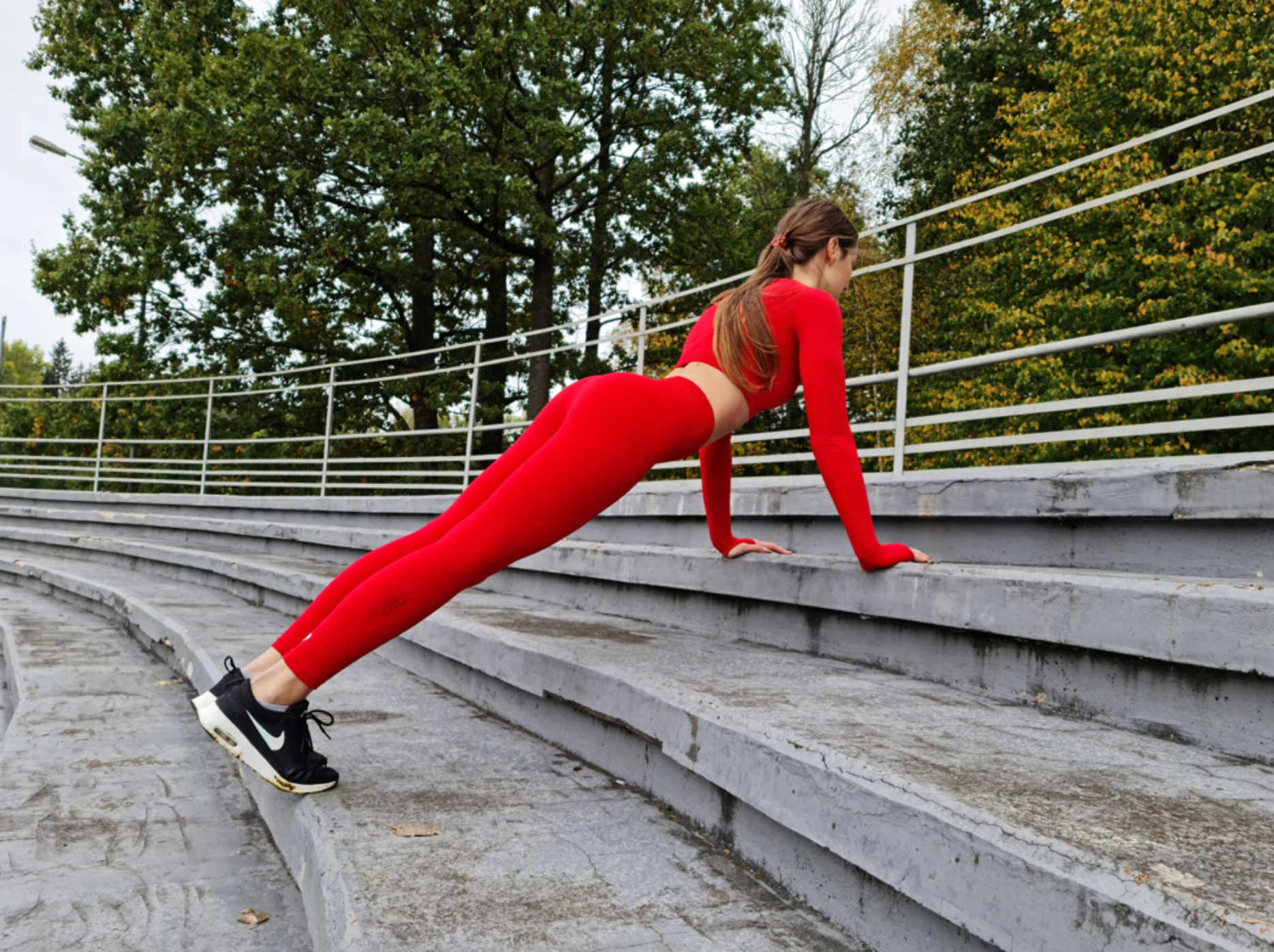
Incline Push-Ups: Place your hands on an elevated surface, like a sturdy table or bench. The higher the surface, the easier the push-up. Perform the push-up motion, keeping your body straight.
Standard Push-Ups: Get into a plank position with your hands directly under your shoulders. Lower your chest towards the floor, keeping your body rigid. Push back up to the starting position.
Core-Engaging Planks
Planks are your best friend for building a strong, stable core. A strong core helps with almost everything you do, from standing tall to lifting heavy things.
Forearm Plank: Rest on your forearms and toes, keeping your body in a straight line from head to heels. Engage your abs and glutes. Don't let your hips sag or pike up too high.
Side Plank: Lie on your side, propped up on one forearm, with your feet stacked or staggered. Lift your hips off the ground, creating a straight line from your head to your feet. Hold, then switch sides.
Plank with Shoulder Taps: From a standard plank position, slowly tap your opposite shoulder with one hand, alternating sides. This adds a challenge to your core stability.
Building strength in these movements isn't just about looking good; it's about making your body more capable for the real world. Think of it as investing in your ability to handle whatever life throws your way, from carrying heavy shopping bags to playing with your kids without feeling strained.
Integrating Functional Fitness Into Your Routine
So, you're ready to make functional fitness a regular part of your life. That's awesome! But how often should you actually do it, and how do you put it all together without getting overwhelmed? Let's break it down.
Frequency For Optimal Results
How often you hit your functional fitness routine really depends on a few things. If you're doing shorter, maybe 10-20 minute workouts, you can probably get away with doing them more often. Your muscles aren't getting totally thrashed, so they bounce back quicker. But if you're going all out with longer, more intense sessions, aiming for about three workouts a week is often a good sweet spot. The main thing is finding that balance between getting fitter and giving your body enough time to actually recover. You don't want to be so sore you can't move the next day, right?
Structuring Your Functional Workouts
When you're planning your sessions, think about hitting different movement patterns. A good workout might include:
Lower Body Power: Think squats or lunges. These get your legs and glutes working, which is pretty much everything you do when you walk, run, or jump.
Upper Body Push/Pull: This could be push-ups (or modified versions) and some kind of pulling movement, like rows using a sturdy table or resistance bands. This helps with carrying things and generally moving your arms around.
Core Stability: Planks are your best friend here. A strong core helps with almost every movement and keeps your back happy.
Full Body Integration: Exercises like kettlebell swings or medicine ball slams get a lot of muscles working together, mimicking real-life actions like lifting and throwing.
It's also smart to mix in some balance and coordination work, maybe some simple agility drills or even just practicing standing on one leg.
Progressive Training Strategies
Starting is one thing, but keeping it going and actually getting stronger is another. The key here is progressive overload, but don't let the fancy term scare you. It just means gradually making your workouts a little harder over time. You don't need to jump into super heavy weights or crazy complex moves right away.
Here’s how you can do it:
Increase Reps or Sets: If you're doing 10 squats, try for 12. If you're doing 3 sets, try for 4.
Add Resistance: Once bodyweight feels easy, you can add light dumbbells, resistance bands, or even a backpack with some books.
Improve Form: Sometimes, just focusing on making your movement smoother and more controlled is progress in itself.
Decrease Rest: Shorter rest periods between sets can make the workout more challenging.
Introduce New Variations: Once you've mastered a basic squat, try a goblet squat or a split squat.
The goal is to consistently challenge your body just enough to stimulate change, without pushing it so hard that you risk injury or burnout. Listen to your body; it will tell you when it's ready for more.
Remember, consistency beats intensity every time. Find a rhythm that works for you, and enjoy the process of getting stronger and more capable in your everyday life.
Prioritising Functional Fitnessing Safety and Sustainability
Getting into functional fitness is exciting, and you'll want to see results fast. But it's super important to remember that going too hard, too soon is a one-way ticket to getting hurt. And nobody wants that, right? It just sets you back. So, really pay attention to what your body is telling you. That means giving yourself enough time to recover between workouts. It’s not about pushing through pain; it’s about smart, consistent effort.
The Importance Of Proper Form
When you're doing functional exercises, how you move is way more important than how fast or how many reps you do. Getting the form right means you're actually working the muscles you're supposed to be working, and you're not putting yourself at risk for injury. It might be a good idea to work with a trainer for a bit, just to get the hang of the basic moves like squats and lunges. They can spot any little things you might be doing wrong and help you fix them. Remember, the goal is to build strength that lasts, not just to hit a number.
Listening To Your Body's Signals
Your body sends you signals all the time. A little muscle soreness after a new workout is normal, but sharp pain? That's your cue to stop. Pushing through that kind of pain can turn a minor issue into something much worse. It's okay to take an extra rest day if you need it. Think of rest and recovery as just as important as the workout itself. It's when your muscles actually get stronger.
Embracing Variety For Long-Term Engagement
One of the best things about functional fitness is that there are so many different ways to move. You're not stuck doing the same old thing every day. You can try kettlebells one day, do some bodyweight circuits the next, or even work on agility drills. Mixing things up keeps your body guessing and stops you from getting bored. Plus, you might find you really enjoy certain types of movement you never thought you would. Finding activities you actually like is the secret sauce to sticking with it long-term. It's all about making fitness a part of your life, not just a chore.
Here's a quick look at how to balance your efforts:
Intensity: Start with lighter weights or fewer reps.
Frequency: Aim for 2-3 sessions per week initially.
Recovery: Schedule at least 1-2 full rest days.
Don't get caught up in comparing your progress to others. Everyone's journey is different, and focusing on your own consistent effort is what truly matters for sustainable results.
Getting Started With Functional Fitness
Starting out with functional fitness might seem a little daunting, but honestly, it’s more about building a solid base than anything else. Think of it like learning to walk before you can run. You wouldn't try to sprint a marathon on your first day, right? Same idea here. The goal is to get your body moving well and feeling strong for everyday stuff, not to become a competitive athlete overnight.
Starting Slow and Steady
When you're new to this, or maybe getting back into exercise after some time off, the best place to begin is with your own body weight. Exercises like squats, lunges, push-ups (even on your knees!), and planks are fantastic because they work a lot of muscles at once and build up that all-important core strength without needing any fancy equipment. It’s all about building a foundation. As you get more comfortable and your body adapts, you can slowly start to add things like light weights or resistance bands to make things a bit more challenging. Don't rush this part; it's important to let your body catch up.
Building a Foundation With Bodyweight
Bodyweight exercises are your best friend when you're starting out. They're accessible, you can do them anywhere, and they teach your body how to move efficiently. Here’s a simple circuit you can try:
Bodyweight Squats: Aim for 10-12 reps. Focus on sitting back as if you're going to sit in a chair.
Lunges: Do 10-12 reps on each leg, alternating. Make sure your front knee stays over your ankle.
Push-ups: Start with 8-10 reps. If regular push-ups are too tough, do them on your knees. Keep your body in a straight line from head to knees.
Plank: Hold for 30-60 seconds. Keep your core tight and avoid letting your hips sag.
Do this circuit 2-3 times, with a short rest in between each exercise. It’s a great way to get a feel for how your body moves and works.
Gradually Increasing Intensity
Once you can comfortably complete the bodyweight circuit and your form feels solid, it’s time to think about making things a little tougher. This doesn't mean going crazy with heavy weights right away. You can gradually increase the intensity in a few ways:
More Reps or Sets: Add a few more repetitions to each exercise, or add another round to your circuit.
Slower Movements: Performing the exercises more slowly, especially during the lowering (eccentric) phase, can make them more challenging.
Adding Resistance: Introduce light dumbbells, resistance bands, or even household items like water bottles to your squats or lunges.
More Complex Variations: Once you've mastered the basics, you can try slightly more challenging versions of the exercises, like incline push-ups or walking lunges.
The key here is to listen to your body. If you feel pain, that's a sign to back off. It's better to progress slowly and safely than to push too hard and risk injury. Fitness is a long game, and consistency is way more important than intensity when you're starting out.
Keep Moving Forward
So, that's the lowdown on functional fitness. It's really about making your body work better for all the stuff you do every single day, not just in the gym. Think about carrying those heavy grocery bags, playing with your kids, or just getting up from a chair without a second thought. Functional training helps with all of that. It’s not about looking a certain way, but about feeling strong and capable. Remember to start where you are, focus on doing the movements right, and listen to what your body is telling you. Consistency is key, but so is giving yourself grace and rest. Keep exploring different exercises, find what you enjoy, and know that you're building a stronger, more resilient you, one movement at a time. You've got this.
Frequently Asked Questions
What exactly is functional fitness?
Functional fitness is all about training your body for everyday activities. Think about movements like bending down, lifting things, or even just walking up stairs. This type of exercise helps you do those things better and safer by working lots of muscles at once, just like you do in real life.
Why is functional fitness good for women?
Functional fitness is super beneficial for women because it makes daily tasks easier, like carrying groceries or playing with kids. It also helps improve balance, makes your core stronger, and can even make you better at sports. It's not just about looking good; it's about feeling strong and capable.
What are some basic functional exercises I can try?
Great starter exercises include squats (like sitting in a chair), lunges (taking a big step forward), push-ups (even on your knees!), and planks (holding your body straight like a board). These work many muscles and are key to building a strong base.
How often should I do functional workouts?
For the best results, aim to do functional exercises about 3 to 6 days a week. The exact number can depend on your fitness goals and how intense your workouts are. It's important to give your body enough chances to train without overdoing it.
Is it okay to feel a little sore after a functional workout?
A little soreness, especially when you're starting, is normal. It means your muscles are getting stronger. However, sharp or lasting pain is a sign to stop. Always listen to your body and rest when you need to. Proper form is key to avoiding injuries.
How can I make my functional workouts more challenging over time?
Once you're comfortable with basic movements, you can increase the challenge. Try adding weights, using resistance bands, doing more repetitions, or holding exercises for longer. You can also try more complex movements that mimic tougher daily tasks.